Professional Services
Mission-tested consulting.
None of it is a software problem. It's a discipline problem — and discipline is the deliverable ELM is built around.
What we do
The practice behind the systems.
ELM was a services firm before it was a product company. Four decades of DoD IT, acquisition, ERP, and Army-logistics experience sits behind every TRACS, K-TRACS, and E-TRACS deployment — and that practice stands on its own. We assess the workflow, architect the solution, and de-risk the rollout so accountability holds in your environment, not just in a demo.
- DoDAF
- FEAF
- SOA
- BPMN
- UML
- IDEF
- CMMI
- SDLC
- SAP / ERP
The cost of undisciplined delivery
Most projects miss time, budget, or scope.
The record is consistent — 5,400 projects studied by McKinsey and Oxford, three decades of CHAOS reports, GAO’s own audit of federal IT. Most delivery efforts fail the same way: requirements nobody pinned down, processes nobody mapped, architecture that couldn’t survive review.
Process discipline isn’t overhead. It’s the difference between the 31% that deliver and everyone else.
- [1]Standish Group — CHAOS Report (31% succeed · 50% challenged · 19% failed)
- [2]PMI — Pulse of the Profession: Requirements Management (5.1% / $51M wasted per $1B; 47% of failed projects)
- [3]GAO — Modernizing legacy IT (~80% of federal IT spend goes to operating & maintaining legacy systems)
- [4]McKinsey & University of Oxford — 5,400-project study (45% over budget · 56% less value than predicted)
- [5]Gartner — ERP initiatives (by 2027, >70% fail to fully meet the business case · 25% catastrophically)
- 80%
Federal IT spend trapped in maintaining legacy systems[3]
- 70%
ERP rollouts that miss the business case[5]
- 69%
Projects late, over budget, or cancelled[1]
- 47%
Failures traced to bad requirements[2]
- 45%
Average overrun on large IT projects[4]
- $51M
Wasted per $1B — 5.1% of project spend[2]
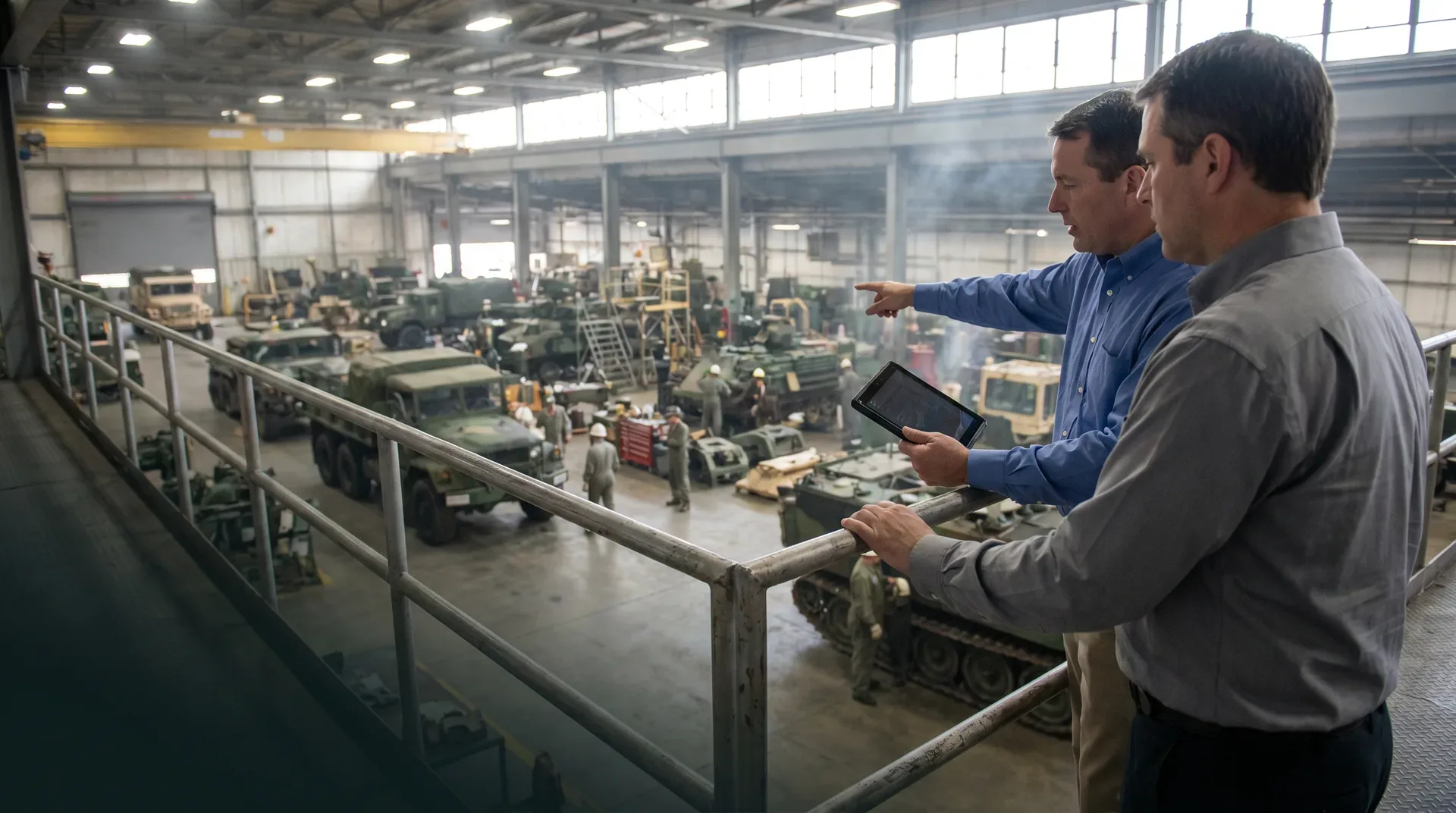
01 / Program & Project Management
Delivery that survives contact.
Complex rollouts run the way a program office expects: scope defined up front, milestones and risk tracked, change controlled, stakeholders current. Initiatives land on time, on budget, with an audit trail at every gate.
- Scope, requirements & WBS
- Milestone & resource planning
- Risk, issue & change control
- Budget tracking & status reporting
- Stakeholder & governance cadence
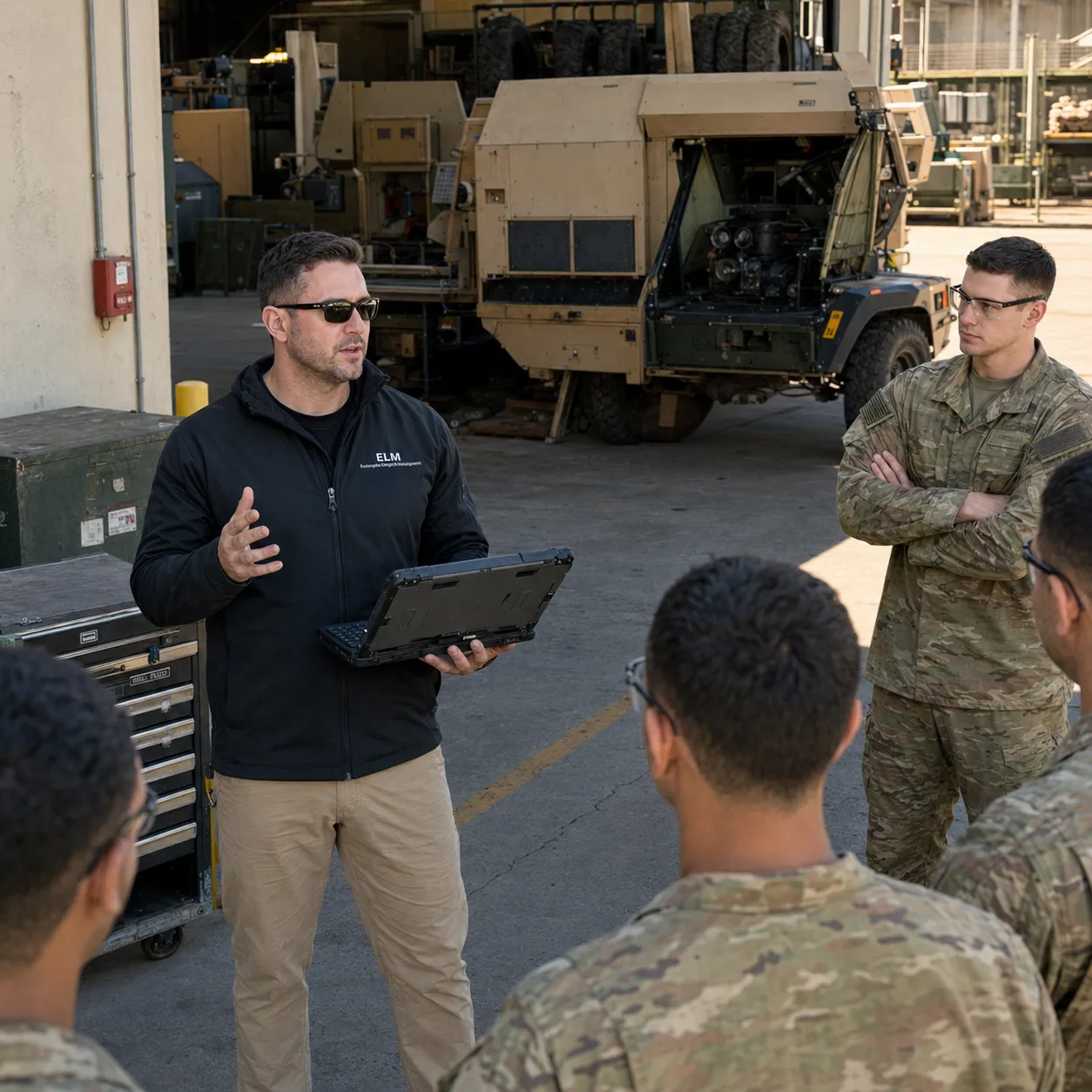
02 / Process Improvement & Re-engineering
Fix the workflow before the software.
A system only holds if the process beneath it is sound. We model the as-is and to-be flow, set the metrics that prove improvement, then implement the redesign — so the software you deploy matches how the work should actually run.
- As-is / to-be process modeling
- IDEF, UML & BPMN notation
- CMMI-aligned improvement
- Voice-of-customer & metrics
- Change measurement & integration
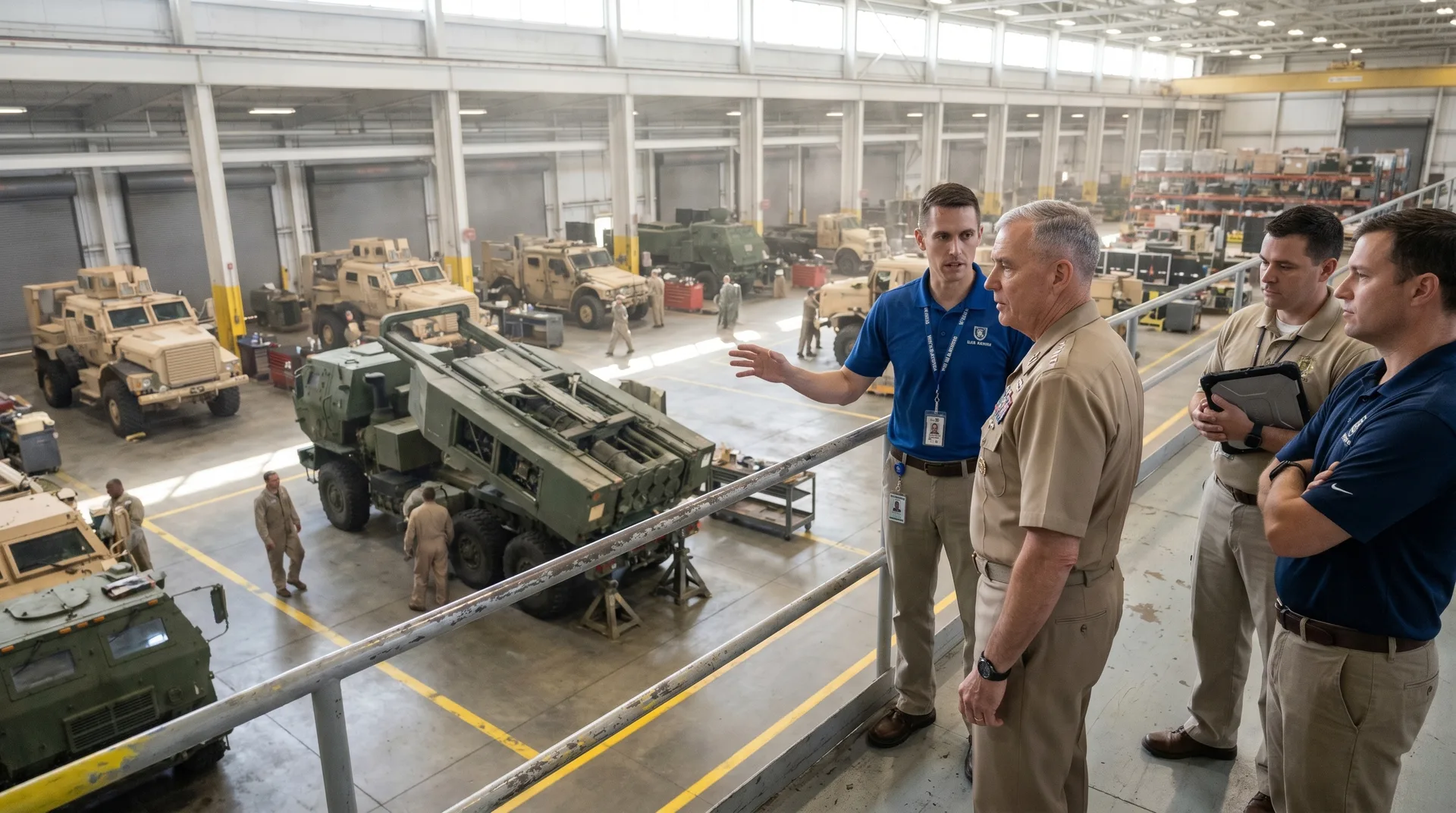
03 / Enterprise Architecture
Architecture that earns the review.
We produce the architecture artifacts defense and federal programs require, in the frameworks acquisition reviewers already use — built to integrate, document, and survive the review, not sit on a shelf.
- DoDAF, FEAF & SOA artifacts
- Enterprise data management
- Acquisition-document support
- Integration & implementation planning
- Stakeholder alignment
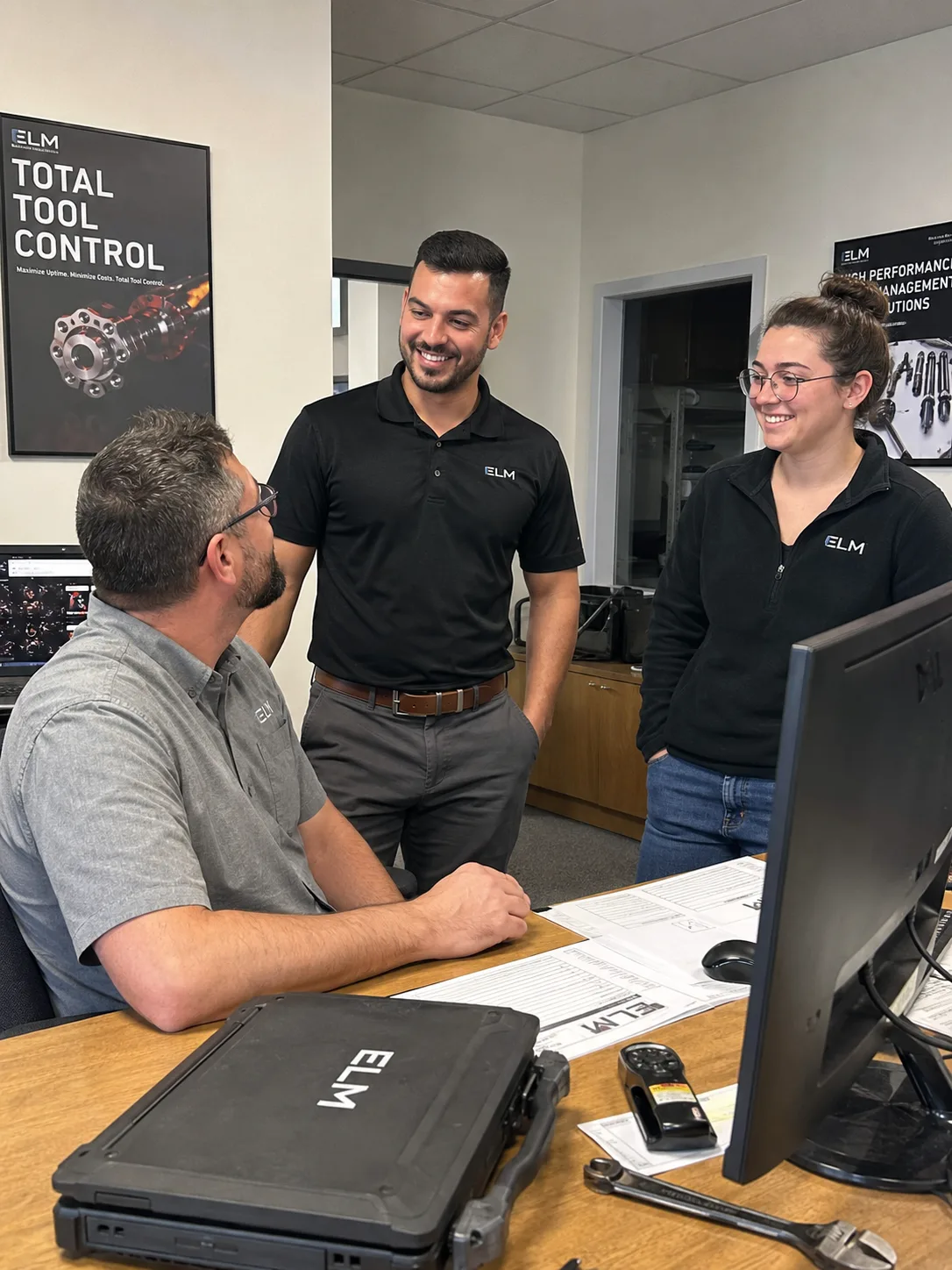
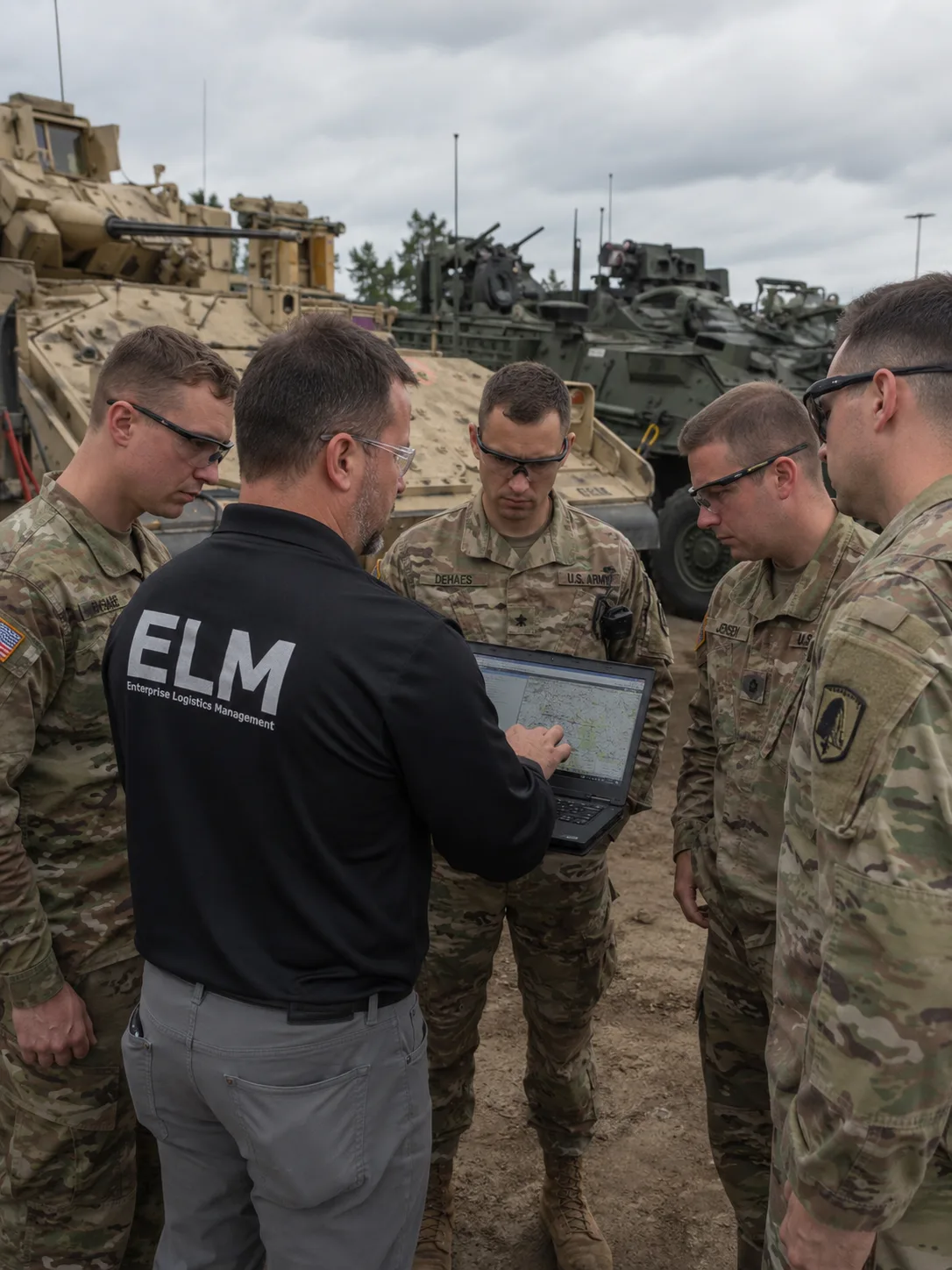
04 / System Development & Integration
From concept to sustained system.
The full system life cycle — alternatives analysis, systems engineering, configuration management, test, and the documentation that keeps a system supportable long after go-live. With hands-on ERP implementation and SAP Business Integration certification, this is the work that makes a control system fit your existing stack — ERP included.
- ERP implementation & SAP integration
- SDLC & systems engineering
- Analysis of Alternatives (AoA)
- Configuration management
- System test & test plans
- Technical publications & documentation
Engagement model
How we get it live.
Every engagement runs the same disciplined path — from first assessment to ongoing operation — so modernization happens without introducing chaos.
Where it applies
Built for accountable environments.
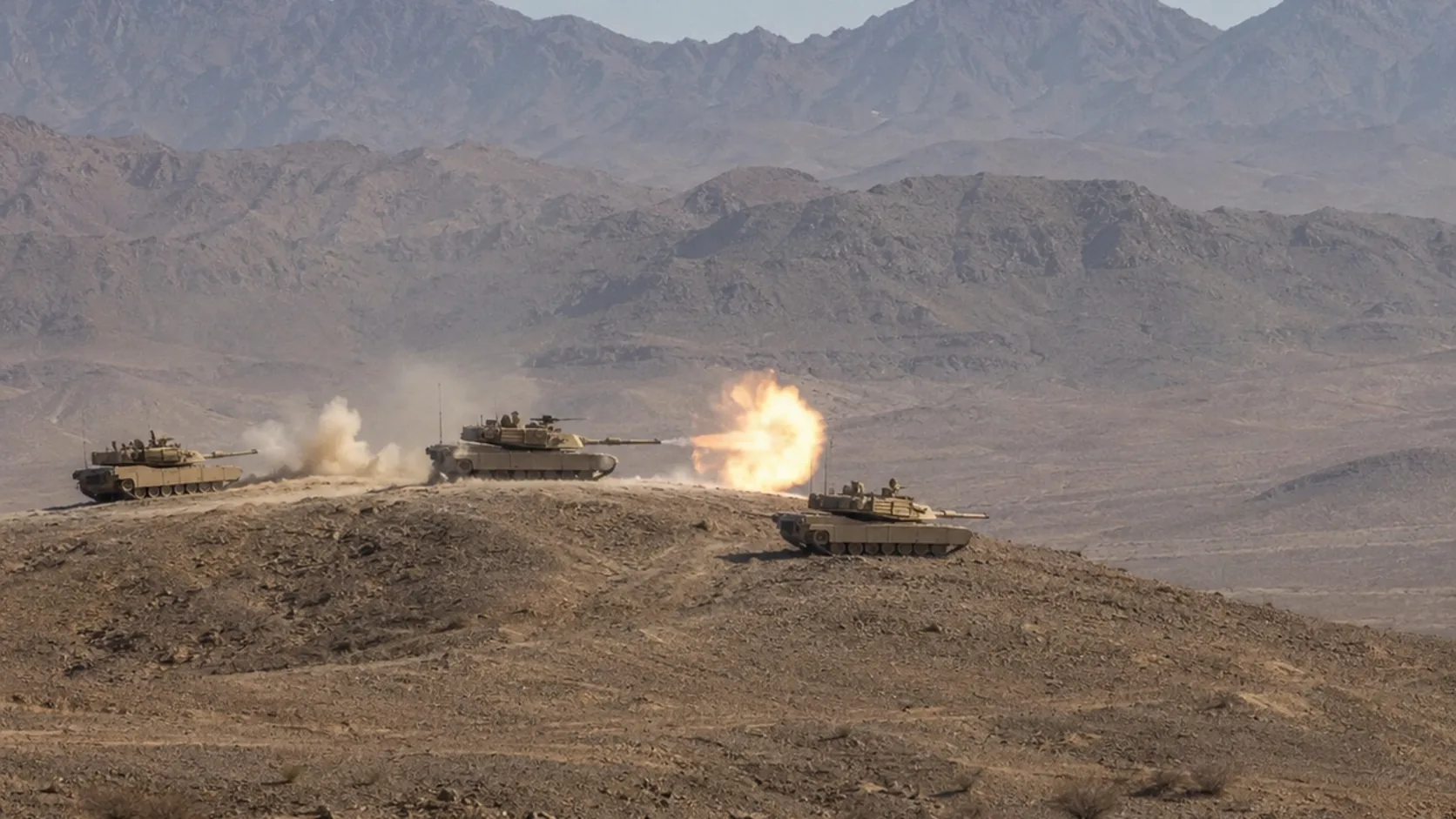
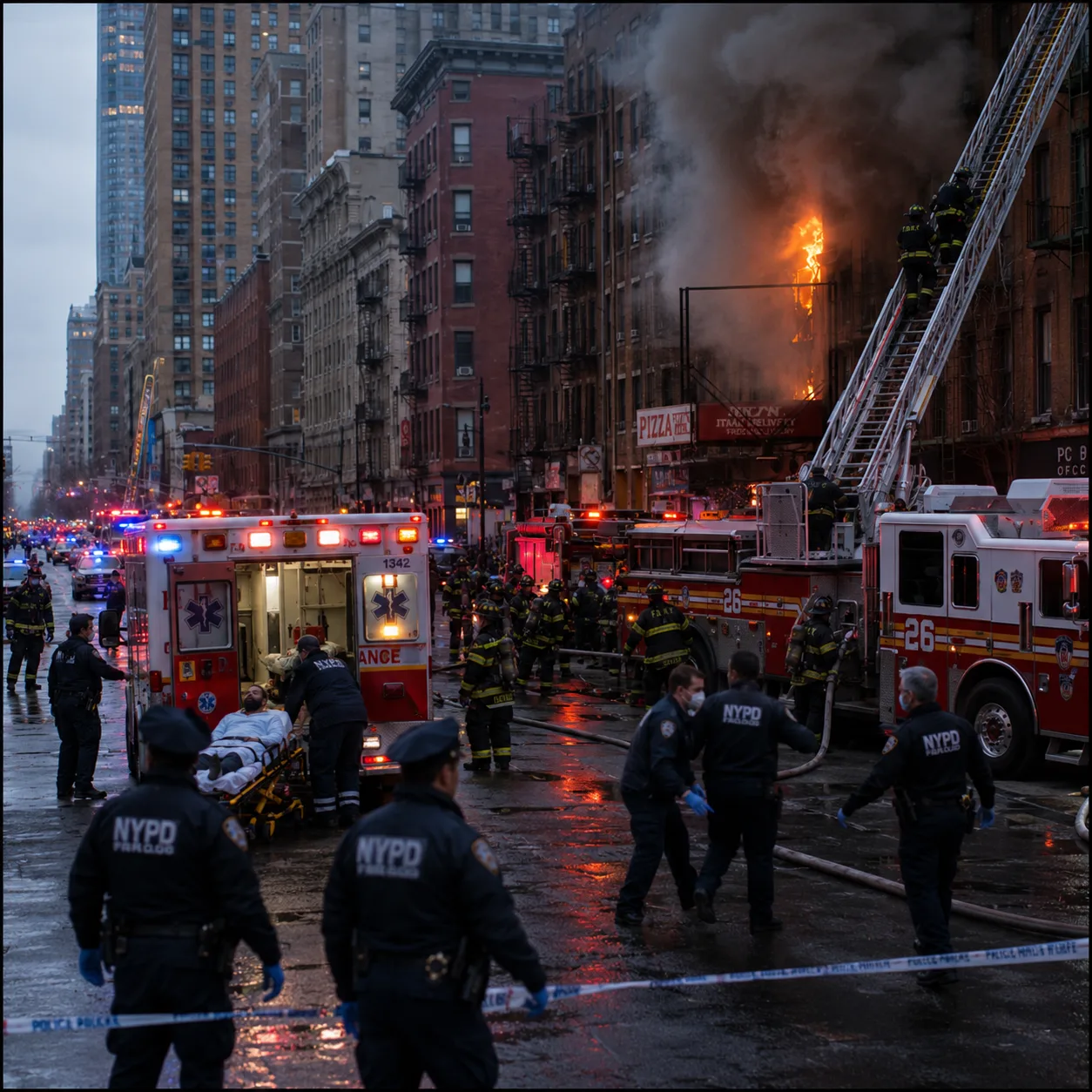
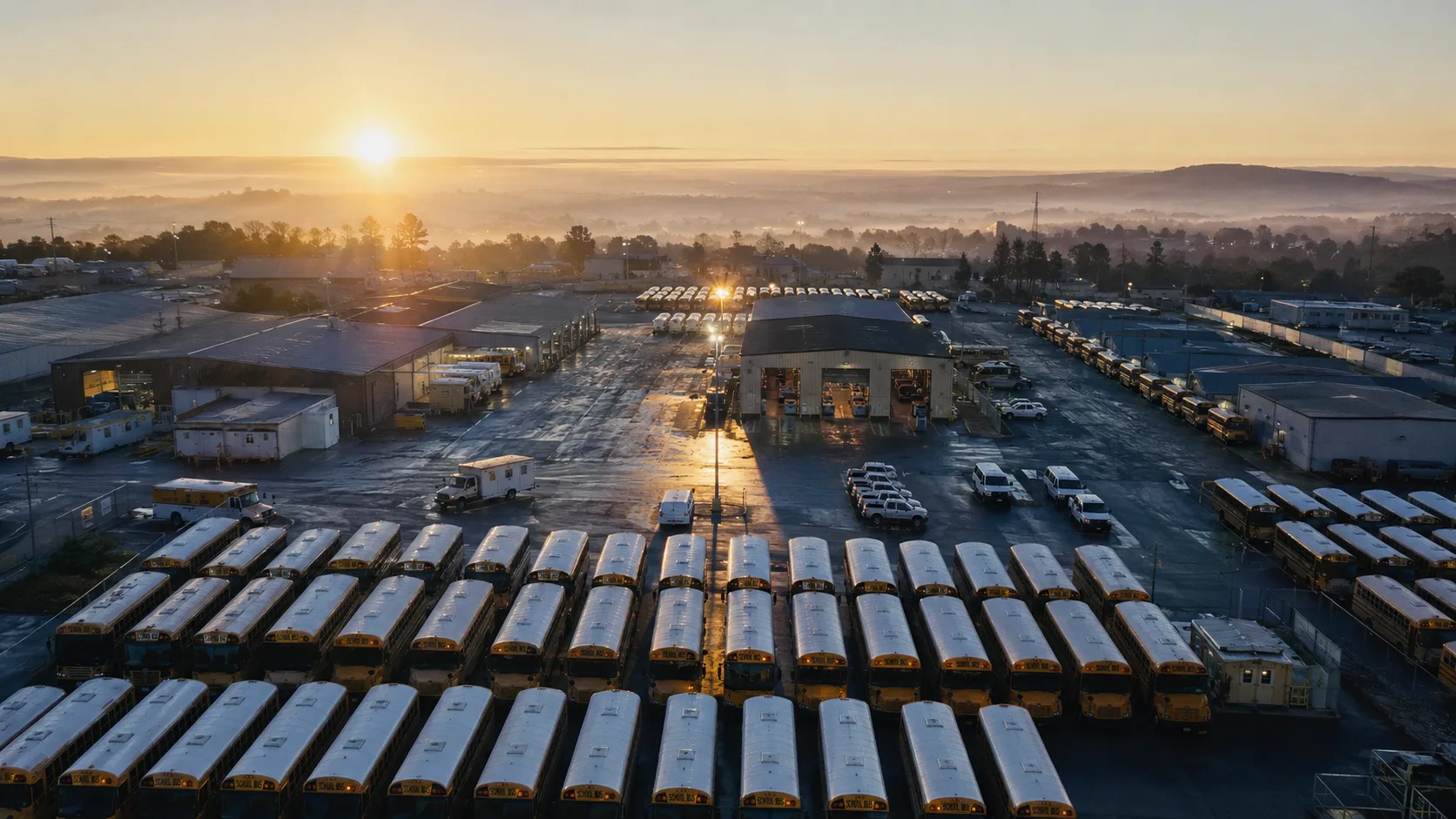
From controlled key boards to the flightline, the evidence locker to the equipment line — the same delivery discipline stands accountability up in every environment we serve.


Modernize accountability without introducing chaos.
A readiness review maps your current workflows, operational risks, and the best-fit control model for your environment.